Plant sciences graduate student investigates controlled environment solutions to improve global food security
Where are you from, and why did you choose to attend the Herbert College of Agriculture?
I was born and raised in Fremont, Nebraska, and completed my undergraduate degree at Iowa State University. I chose to attend the Herbert College of Agriculture to work under the mentorship of Dr. Kellie Walters.
What inspired you to study plant sciences, and what interests you most about this field?
I grew up working on my grandparents’ farm in Iowa and loved the cultivation of crops; this drove me to study horticulture at Iowa State, where I learned more about global agriculture and food insecurity. The potential to reduce food insecurity through improved agricultural and horticultural practices is what interests me most in plant science.
What is your research focus, and what are you hoping to learn or accomplish through this work?
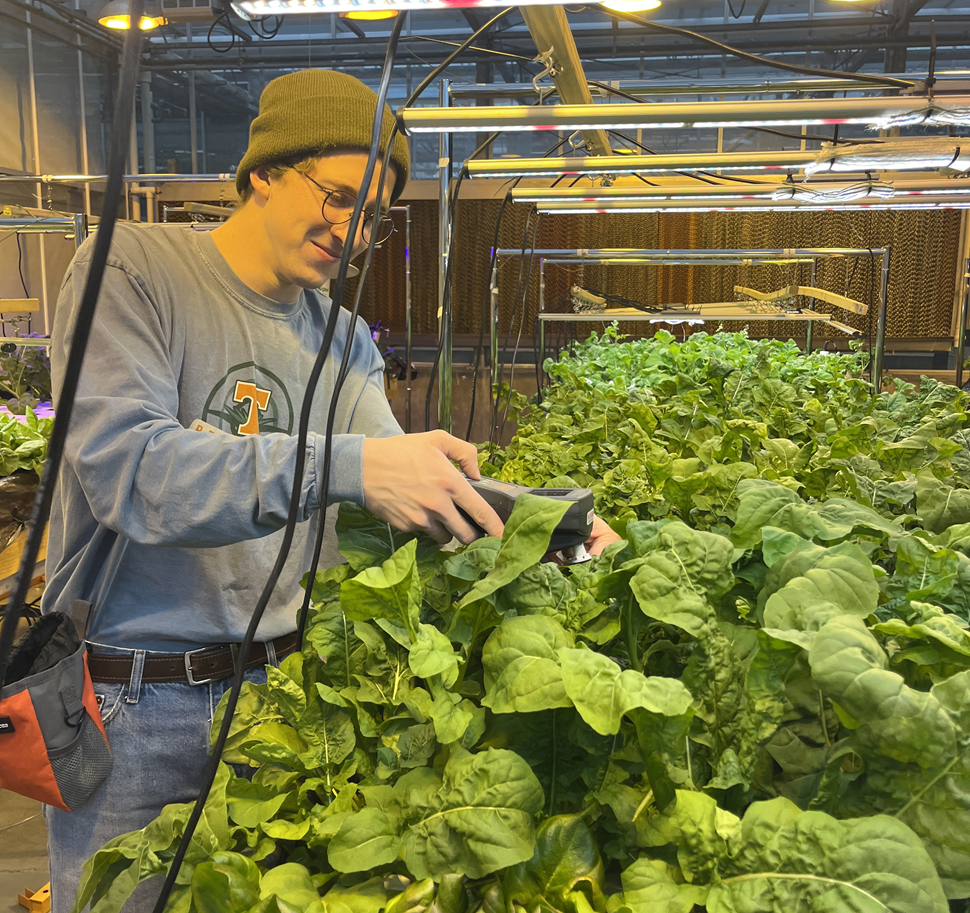
My thesis work focuses on end-of-production lighting effects on the growth, post-harvest longevity, and nutritional quality of greenhouse-grown leafy greens. The goal of this work is to improve yields, increase shelf-lives, and produce more nutritious leafy greens as efficiently as possible. I’ve also had the opportunity to work on several other research projects including the effect of light intensity of microgreen yield, nutritional quality, and consumer acceptance, the implementation of plasma-generated nitrogen for fertilization in hydroponic systems, and the artificial pollination of greenhouse-grown tomatoes.
How do you see your research contributing to improving global food security and nutrition?
Improving the economic feasibility of controlled environment agriculture is an important step to building food systems that are more resilient to the vast array of climactic conditions found around the US and the globe. Diversifying the geographic location of food production is essential for this resiliency and reduces the distance our fresh foods must travel to market. The potential to improve the post-harvest longevity could reduce food waste, and the potential to improve the nutrition of leafy greens could benefit the diets of consumers with more vitamins and other antioxidant compounds.
Have there been any specific classes, research experiences, or professors at Herbert that have had a significant impact on your academic journey?
The Plant Biochemistry and Stress Physiology course taught by Dr. Tabibul Islam was an extremely informative and inspiring course. Dr. Islam illustrated how understanding the biochemical systems within plants has previously and will continue to impact global agriculture profoundly.
Sarah Armstrong, our lab manager, has also influenced my academic journey. She has taught me everything I know in terms of technical skills in compound extraction, isolation, and quantification; her guidance has restructured my approach to research and experimental design.
What has your experience been like working in Dr. Kellie Walters’ lab, and how has that shaped your growth as a researcher?
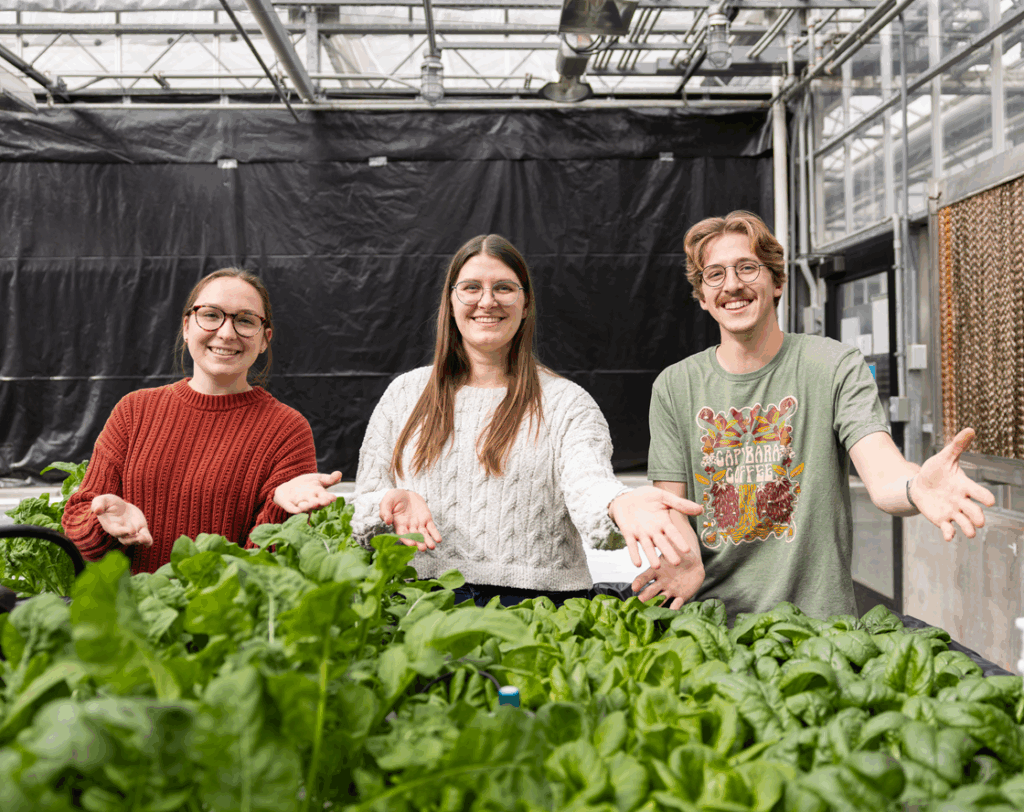
Working in Dr. Walters’ lab has been nothing short of extraordinary. The work is challenging but rewarding. Every day I leave the office, lab, or greenhouse and feel a small sense of accomplishment, and have learned something new. Dr. Walters’ mentorship continuously helps me balance my research questions between practical applications and their physiological and biochemical underpinnings. I’ve learned to bridge the gap between physiology and growers’ needs to better address problems currently facing industry, and problems that may arise.
What have been some of your most rewarding or memorable experiences at Herbert?
The most rewarding work I’ve done at Herbert has been working as a TA for the plant physiology course (PLSC 333). The course covers all the basics of plant physiology, including plant interactions with light, water, nutrients, and temperature, as well as plant stress responses. Working with students to understand and hopefully enjoy some of the more challenging aspects of plant science has repeatedly been the most gratifying part of my job.
You helped restart the UT Knoxville chapter of the International Association of Students in Agriculture and Related Sciences. Why was that important to you, and what impact do you hope it will have for students?
During my undergraduate studies at Iowa State, I was an active member of the International Association of Students in Agriculture and Related Sciences Iowa State chapter. My participation in this club granted me admission to events such as the Norman Borlaug Dialogue and the awarding of the World Food Prize. These events focus on global food security and international agriculture, with participants from around the globe, giving me a much more diverse perspective on agriculture.
Providing students with the opportunity to broaden their worldview is an important piece of what a university education should do; given the University of Tennessee previously had an active chapter, I helped organize some undergraduate students to revive the club in the hope that it could provide the same opportunities I benefited from for future students.
Looking to the future, how do you hope to apply what you’ve learned at UT to your career and long-term goals?
In the next few years, I’m looking forward to working in Dr. Walters’ lab as a research technician while I complete my PhD studies. After obtaining my doctorate, I hope to work in academia to continue to form research questions that are interesting from a plant physiology perspective while still being meaningful for growers. I hope to apply the experience I’ve gained teaching to effectively communicate to future students and industry professionals.
What are some of your hobbies or a fun fact about you that people might be surprised to learn?
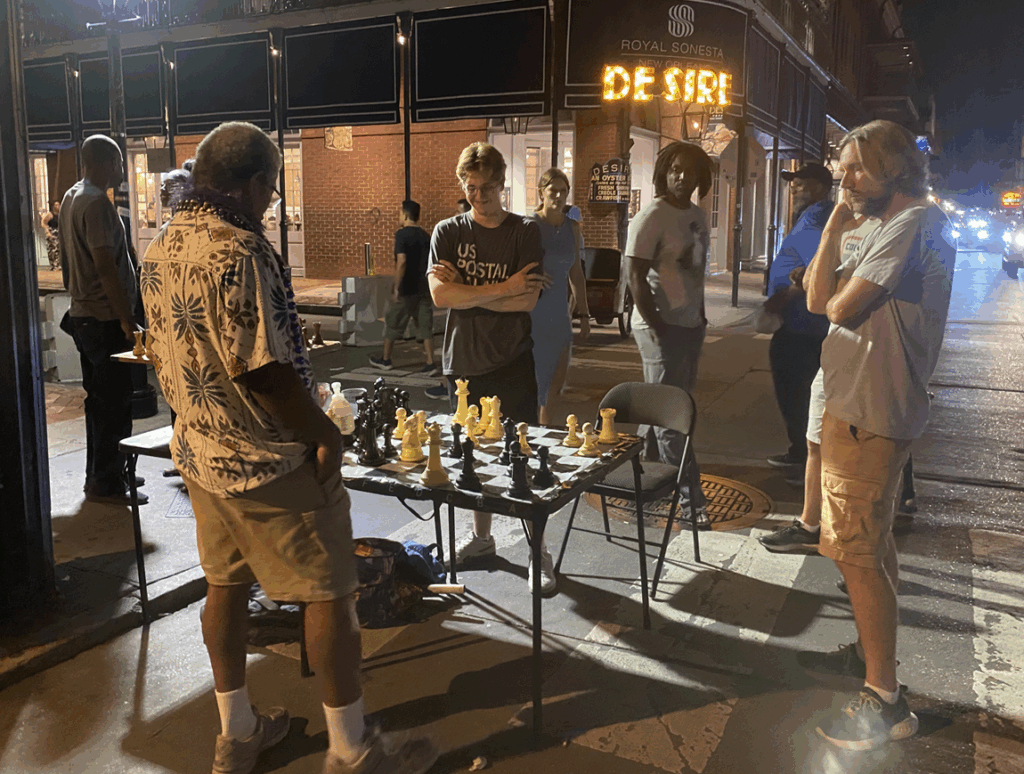
I’m an avid, although mediocre, chess player and distance runner. I love running around the greenways in Knoxville, especially when I can convince some of our lab members to join me. Running by the greenhouses has the added bonus of letting me ensure the lights are turning on and off at the appropriate times. Additionally, I enjoy trying out new coffee shops, local roasters, or any other coffee pretensions.