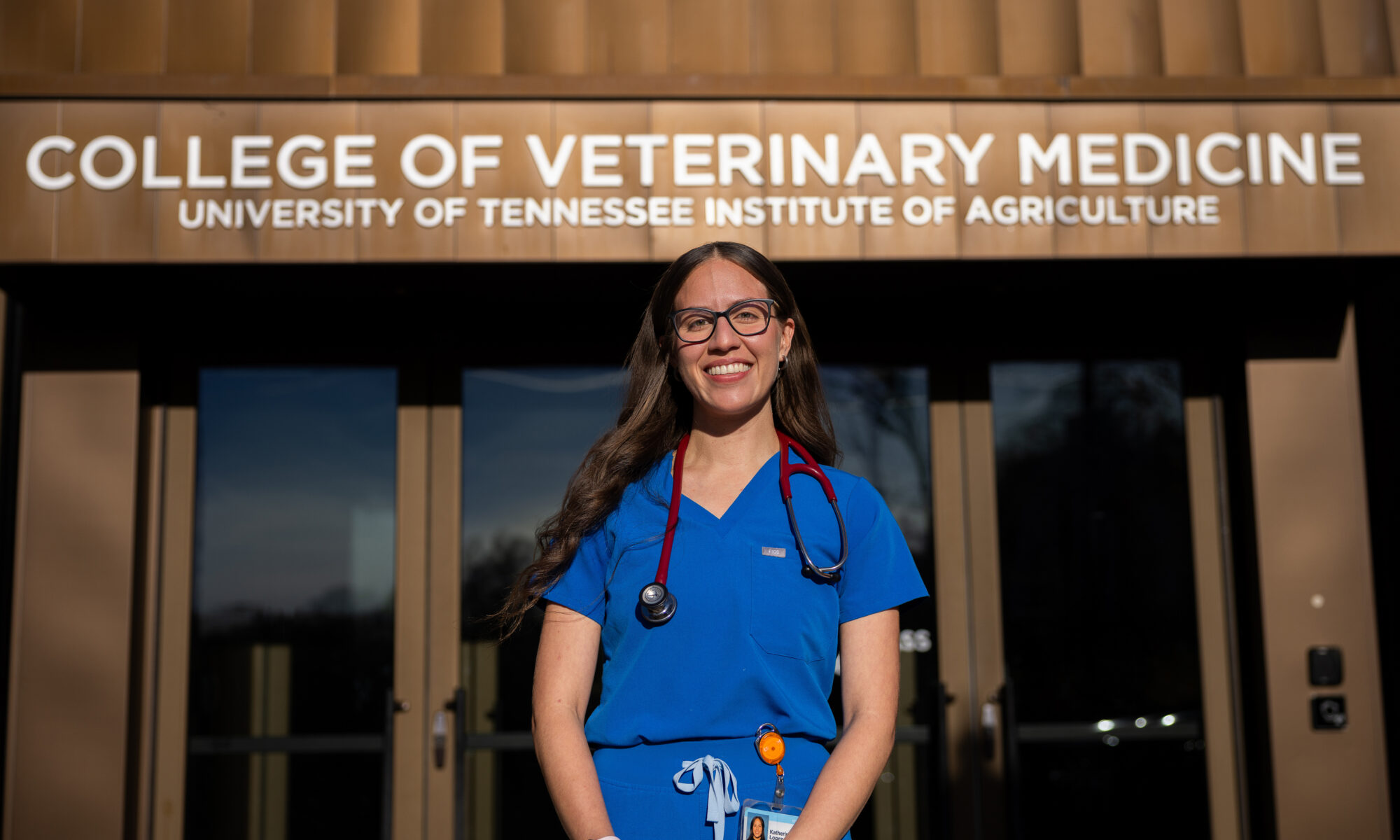
Future veterinarian overcomes adversity to pursue her passion for animal welfare at the UT College of Veterinary Medicine
Where are you from, and how did your journey lead to you pursuing a Doctor of Veterinary Medicine degree at the University of Tennessee College of Veterinary Medicine (UTCVM)?
I am from a small town called Corozal in Puerto Rico. Growing up, I was exposed to the challenges of animal overpopulation and neglect across the island. Limited government support for animal welfare, economic hardship, and a lack of education on proper animal care continue to affect my community.
These experiences motivated me to pursue a career in veterinary medicine and be part of the solution. I wanted to gain the knowledge and skills necessary to provide high-quality care while promoting community education and responsible pet ownership. From a young age, I knew I wanted to create lasting change in my hometown by improving access to veterinary care and strengthening animal welfare in Puerto Rico. I now look forward to becoming licensed and beginning to make a meaningful, lasting impact in my community.
Can you describe a typical day in your life as a student at UTCVM?
As a senior student, my schedule changes about every two weeks depending on my rotation. Right now, I am on internal medicine, which, despite its challenges, has been one of my favorites so far. Our week is divided into “appointment days” and “transfer days.”
On appointment days, the workflow is more structured. The day before, I am assigned or select a case to see the next morning and prepare by reviewing the patient’s medical history and records and developing differential diagnoses and potential diagnostic plans. The following day, I examine the patient, discuss my findings with the house officer and clinician, and proceed with any needed diagnostics or treatments.
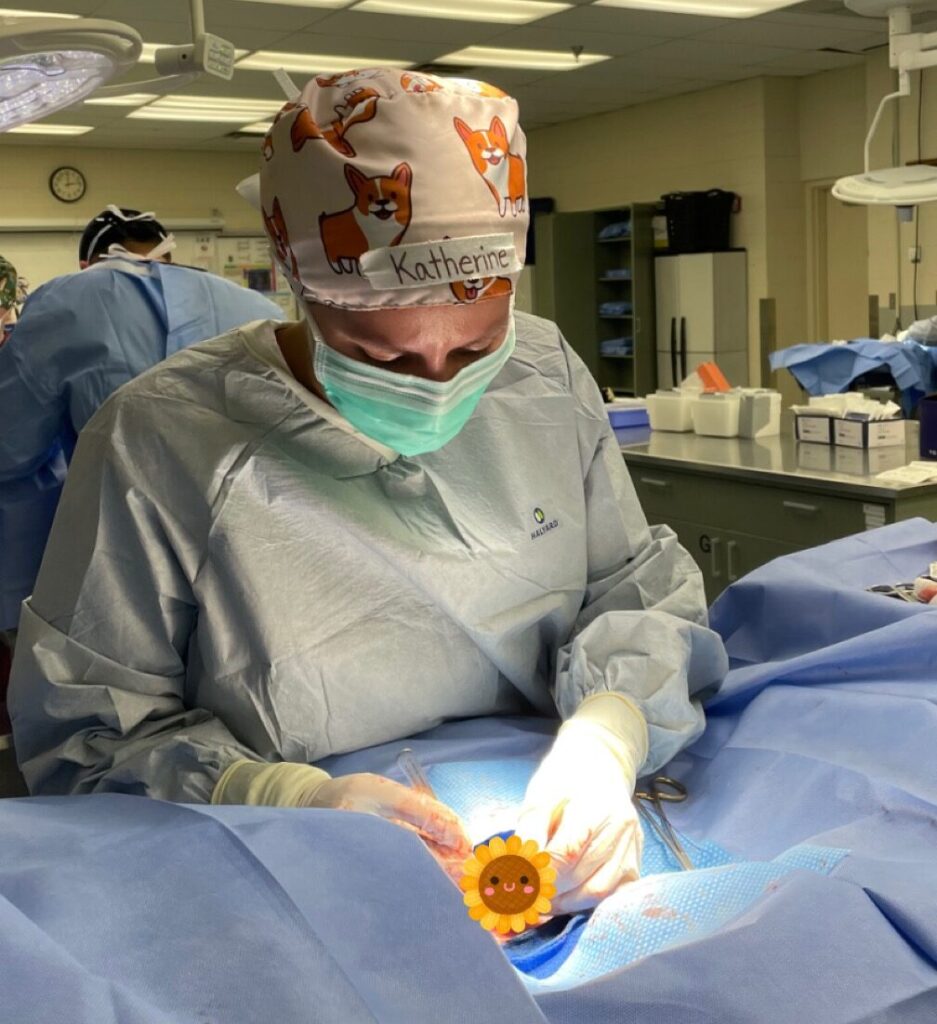
Transfer days are more unpredictable. Around 3 a.m., we receive the transfer list to see if any emergency cases have been transferred to the internal medicine service. I typically arrive by 6 a.m. to perform morning treatments and assess patients. From there, the day follows a similar pattern: reviewing cases, formulating plans, and providing care under the guidance of faculty. Depending on whether my patients remain hospitalized overnight, I usually finish between 5 and 6 p.m.
What has been your most memorable or rewarding experience at UTCVM so far?
I have had many memorable experiences at the UT College of Veterinary Medicine, but the one I will always treasure the most is being selected as the recipient of the Ingram Scholarship, one of the most prestigious awards given to a UT veterinary student.
It represented more than just financial support; it was a recognition of my hard work, perseverance, and dedication throughout my academic journey. Knowing that my efforts and commitment were acknowledged by the faculty and donors reaffirmed my motivation to strive for excellence. This achievement strengthened my confidence, reinforced the importance of perseverance and integrity, and inspired me to one day give back to future veterinary students in the same way this scholarship has supported me.
What subjects within veterinary medicine interest you the most, and why?
When I first applied to vet school, I was certain that I wanted to pursue cardiology. That passion hasn’t changed, as I’m fascinated by the complexity of the heart and how its function impacts the entire body. At the same time, I’m focused on gaining broad experience in small animal and exotic medicine, as I plan to work as a general practitioner first before committing to a specialty residency.
I’m excited by the variety and challenges of general practice, from treating a wide range of species to managing diverse cases. In the future, I hope to continue learning and deepening my expertise in cardiology, potentially making cardiac diseases one of my strengths. For now, my focus is on becoming a well-rounded veterinarian who can provide excellent care across small animals and exotic species.
Can you describe any out-of-the-classroom learning opportunities you’ve had during your time as a veterinary student and the impact they had on your education?
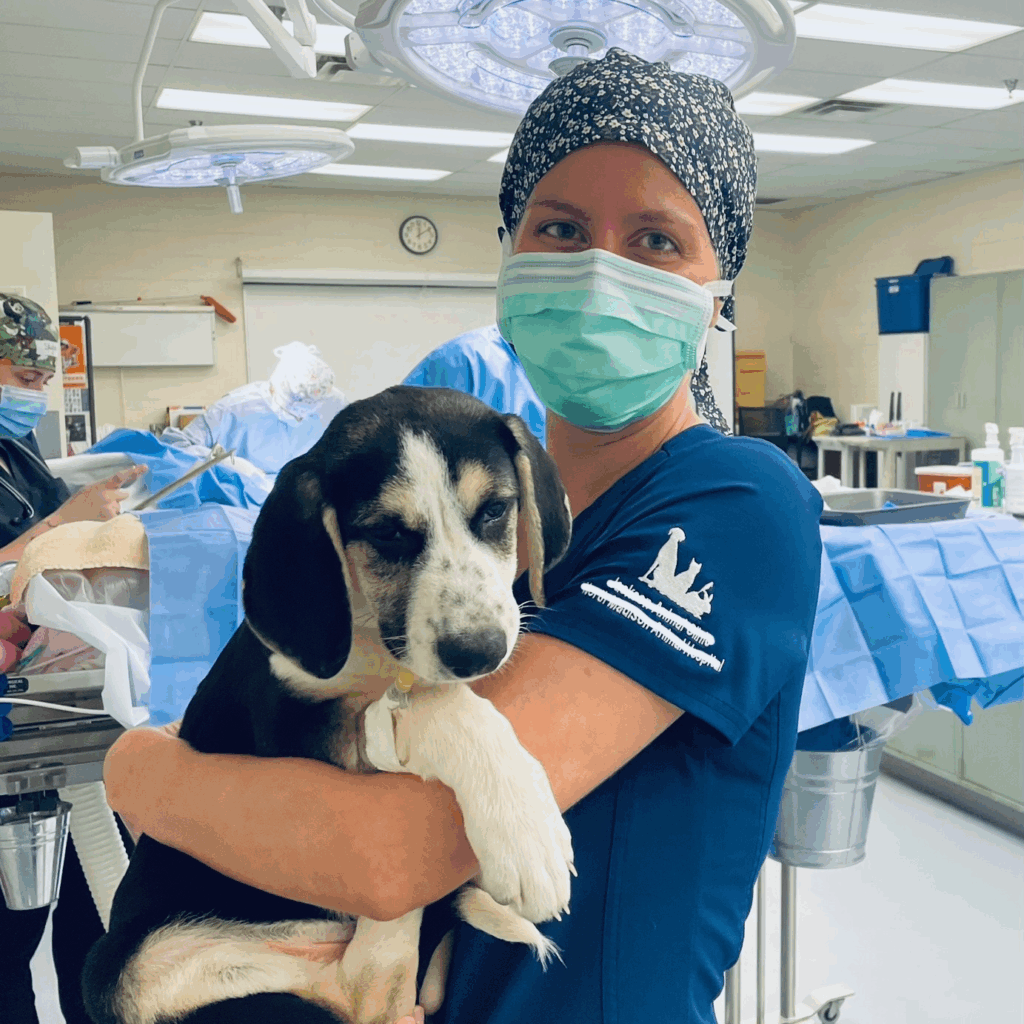
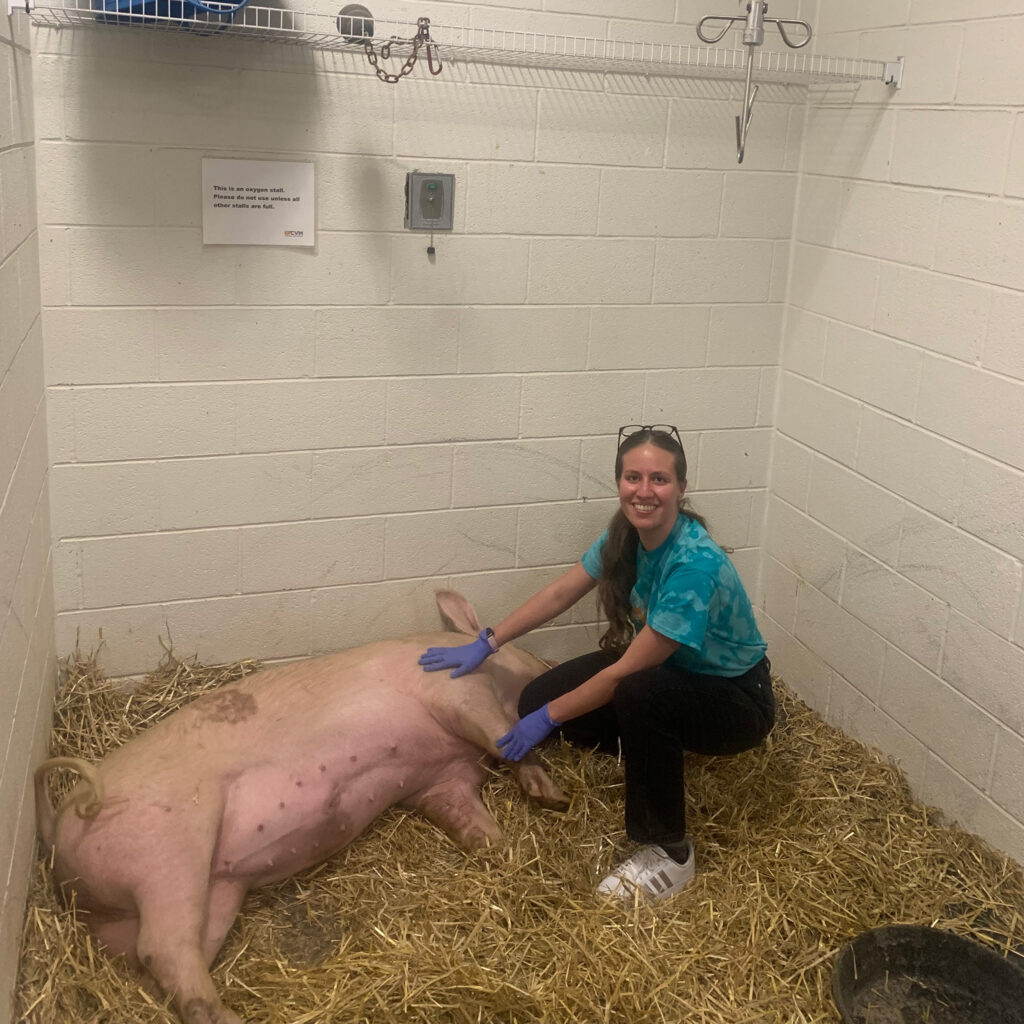
Working as a veterinary technician during the summers throughout vet school has been one of the most valuable learning opportunities I’ve had outside the classroom. It has allowed me to apply the knowledge and skills I’ve gained in lectures and labs to real clinical situations. I’ve assisted in appointments, worked through challenging cases, and participated in several surgical procedures.
Beyond the medical aspects, this experience has strengthened my communication skills; whether discussing cases with veterinarians or explaining treatment plans to clients. Learning alongside skilled, supportive veterinarians has also deepened my appreciation for teamwork, mentorship, and the realities of veterinary practice, reinforcing my confidence and passion for the field.
As one of your class’s Wellness Chairs, why do you think promoting wellness and mental health among veterinary students is so important?
As one of my class’s Wellness Chairs, I believe promoting wellness and mental health among veterinary students is critical, especially in a field with high rates of burnout and suicide. When the opportunity arose, I embraced it wholeheartedly.
Moving to Tennessee was one of the most challenging experiences of my life. I came because of a natural disaster and my determination to continue my education. I faced obstacles like a language barrier, cultural isolation, and being far from my family. There were moments when I questioned whether I had made the right decision, and my mental health was undoubtedly tested. However, I persevered, staying committed to my goals.
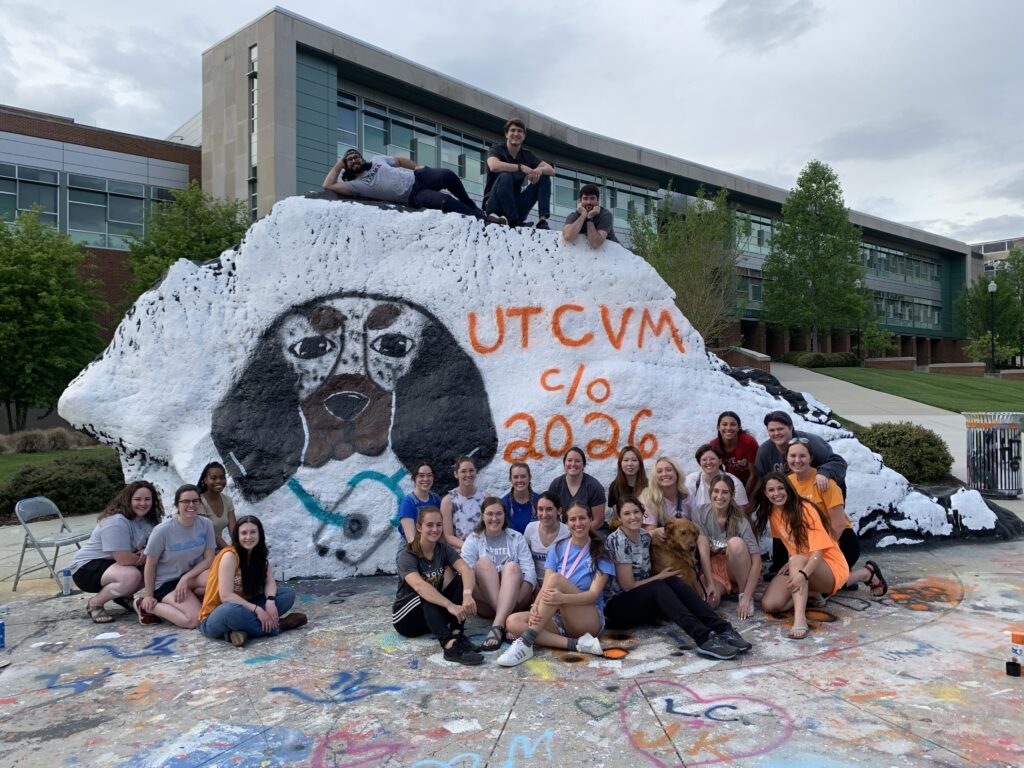
That experience gave me a deep understanding of how vital mental health is. With this perspective, I felt uniquely equipped to support my classmates through the challenges of veterinary school. I have cherished every opportunity to organize wellness activities, provide resources, or simply offer a listening ear to a classmate in need. Being able to contribute to a supportive community has strengthened both others and my own resilience and commitment to mental health in our profession.
What do you think makes UTCVM stand out from other veterinary programs?
What makes UTCVM stand out to me is that it’s where many of my mentors studied and trained. Seeing the veterinarians they’ve become – knowledgeable, compassionate, and confident – has made me admire the quality of education and mentorship in this program. Their experiences at UTCVM shaped not only their clinical abilities but also their approach to patient care and client communication, which I deeply value. Knowing that I’m following in their footsteps and learning in the same environment that shaped them makes UTCVM especially meaningful to me.
What are some of the greatest challenges and rewards of being a veterinary medicine student?
One of the greatest challenges of being a veterinary student is learning to balance the academic workload with self-care and personal life. It’s easy to feel overwhelmed, but this journey has taught me how to prioritize, stay organized, and seek support when needed. The biggest reward, however, is seeing how all the hard work pays off; whether it’s understanding a complex case, making life-saving decisions for my patients, or realizing how much I’ve grown since my first year. Every small success reminds me why I chose this profession in the first place.
Looking ahead, what are your professional aspirations after graduation, and how do you hope to make an impact in veterinary medicine?
After graduation, I hope to become a well-rounded, compassionate practitioner who never loses sight of why we enter this profession: to help animals and the people who love them. I aspire to be a veterinarian who makes every client feel comfortable, heard, and confident in the care their pets receive.
One of my biggest goals is to make an impact within the Hispanic community. I’ve noticed that many Hispanic pet owners in the United States lack access to proper veterinary education and resources often due to language and cultural barriers. I want to be part of changing that through community outreach, bilingual education, and helping develop Spanish-language resources. If I can contribute even a small part to improving communication and access to care for Hispanic families, I believe it could spark change and inspire similar efforts in other communities as well.
What do you like to do outside of school and/or what is a fun fact about yourself that your fellow students and professors may not know?
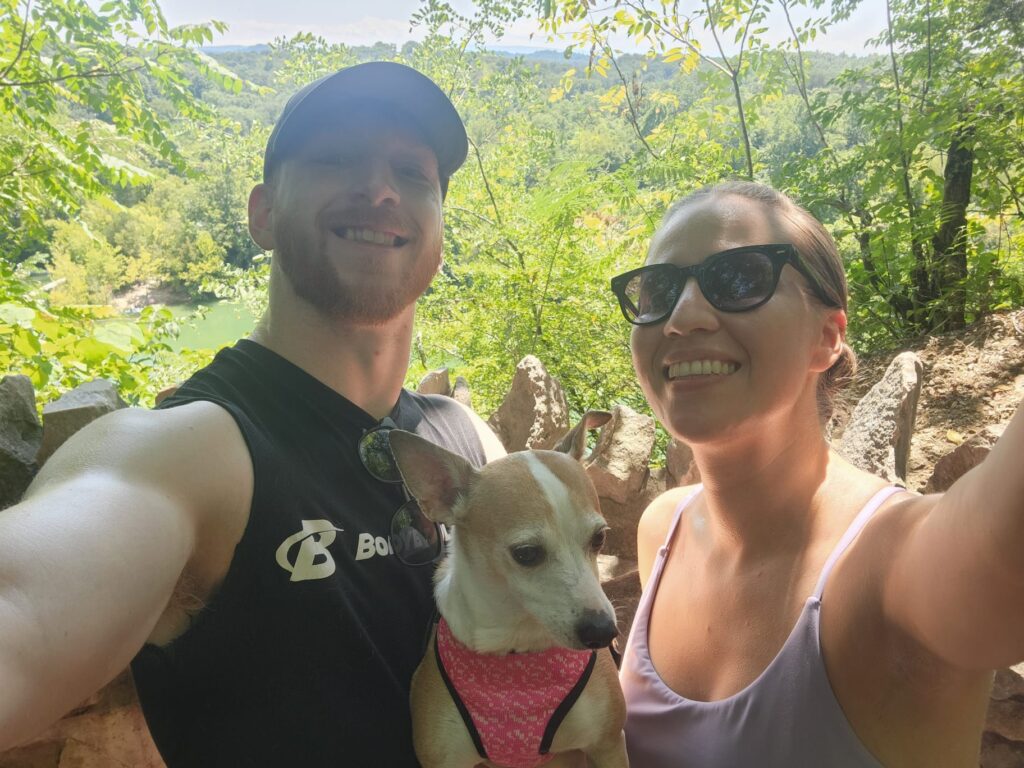
Outside of school, I love to travel and spend time with my loved ones. I visit my family in Puerto Rico as often as I can; it helps me stay connected to home and recharge from the demands of vet school. I also enjoy working out, hiking, and watching movies, but one of my favorite hobbies is cooking, especially Puerto Rican food. I haven’t had as much time for it lately, but whenever I do, I love sharing those dishes with friends. One of the things I’m most proud of outside of vet school is teaching my fiancé all about my culture; everything from speaking Spanish and enjoying Puerto Rican cuisine to dancing and, of course, talking loud! It’s been so special to share those parts of myself with him. And a fun fact about me is that I have 51 cousins! Yes, I come from a very big family, and I absolutely love it.