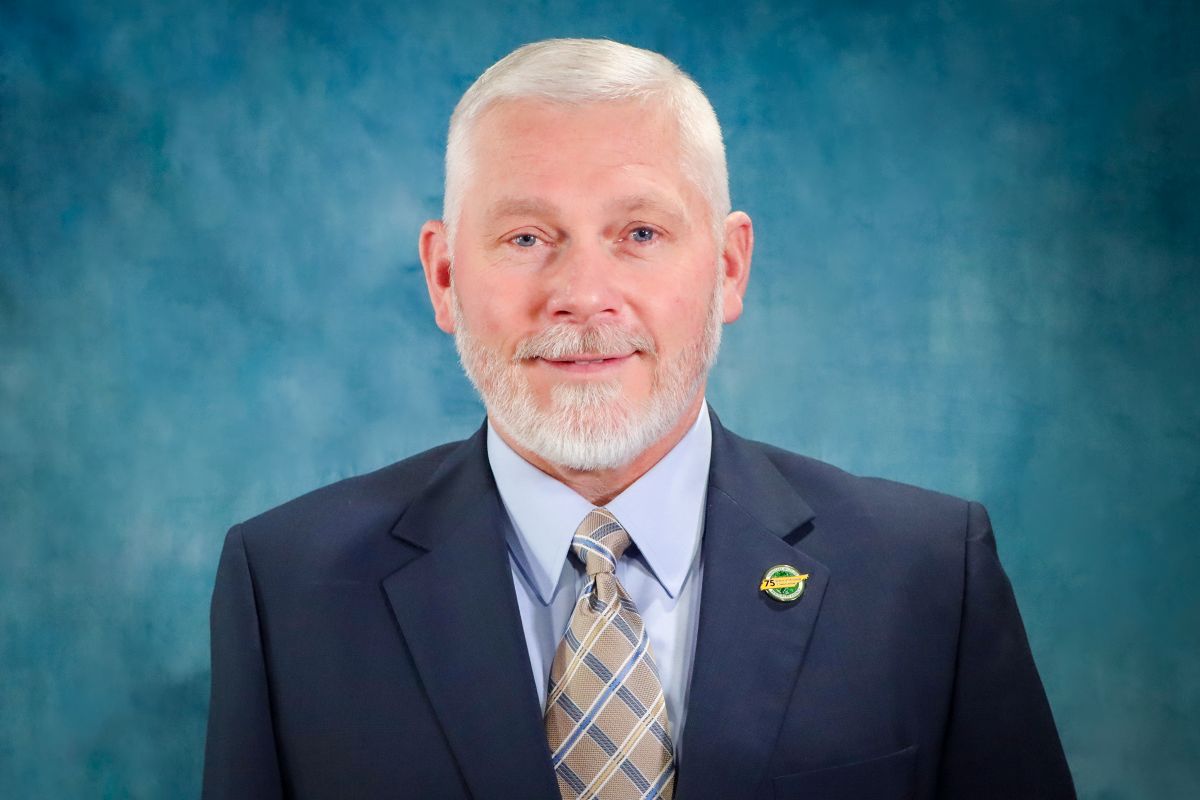
Forestry alumnus (’00) leads statewide wildlife conservation and management at the Tennessee Wildlife Resources Agency
Where are you from, and how would you describe your experience as a student at the University of Tennessee?
I’m originally from Newbern, Tennessee, in Dyer County. My experience as a student at the University of Tennessee — both at Martin and Knoxville — was deeply formative. I was fortunate to study under professors who challenged and supported me, and I built lifelong friendships with people who shared my passion for the outdoors. UT provided not only a strong academic foundation, but also a sense of purpose. It helped shape the direction of my career and gave me the tools and relationships I still rely on today.
What inspired you to study wildlife and forestry, and how did you decide this was the right career path for you?
Growing up in West Tennessee, I spent a lot of time outdoors — hunting, fishing, and exploring the woods and waterways. That early connection to the land gave me a strong appreciation for wildlife and wild places. As I learned more about conservation and natural resources, I realized I wanted to dedicate my career to protecting and enhancing them. Wildlife and forestry provided the perfect path to combine that passion with a lifelong mission of stewardship and service.
Can you tell us about your current role as Executive Director of the Tennessee Wildlife Resources Agency (TWRA) and what it typically involves?
As Executive Director of TWRA, I oversee the agency’s statewide operations across four regions and our central office. I work with a team of more than 700 professionals who are committed to conserving Tennessee’s wildlife and natural habitats, while promoting safe, sustainable outdoor recreation. I also work closely with the Tennessee Fish and Wildlife Commission, helping set strategic direction, developing policy, and ensuring our programs meet the needs of the public. A key part of my role is serving the hunters, anglers, and outdoor users of Tennessee — ensuring they have access, opportunity, and a strong voice in conservation.
How did your career with TWRA begin, and what has your path looked like since then?
I began my career with TWRA in 2000 as a Wetlands Wildlife Forester in West Tennessee. I worked to restore more than 7,000 acres of bottomland hardwoods and helped implement large-scale hydrology restoration and forest management efforts. That role prepared me for my next position as Area Manager of the Lower Obion Wetland Complex, where I managed 30,000 acres of habitat across multiple Wildlife Management Areas and the White Lake Refuge. I then advanced to Regional Wildlife Program Manager in Jackson, managing wildlife programs across 25 counties and nearly 300,000 acres. In 2020, I was appointed Deputy Executive Director, where I coordinated statewide field operations and program delivery — ultimately leading to my appointment as Executive Director in 2022.
What do you enjoy most about the work you do and leading an organization dedicated to wildlife conservation and outdoor recreation?
What I enjoy most is knowing that our work matters — not just today, but for generations to come. Every decision we make has the potential to improve habitat, support biodiversity, and enhance outdoor experiences for Tennesseans. Leading TWRA is a privilege because I get to work with passionate, skilled professionals who are mission-driven and dedicated to public service. Watching the impact of our work — whether it’s through successful restoration projects, expanded public access, or inspiring the next generation of conservationists — is incredibly rewarding.
TWRA oversees some of the most diverse natural areas in the state. What’s it like to be part of an agency responsible for protecting such an important resource?
It’s a tremendous responsibility and a privilege I don’t take lightly. Tennessee is one of the most ecologically diverse states in the country, and protecting that natural heritage is central to our mission. Being part of an agency that works every day to conserve these landscapes — from Appalachian mountain streams to Mississippi River wetlands — is both humbling and inspiring. It requires collaboration, vision, and a deep commitment to science-based management, public access, and long-term sustainability.
How did your forestry education at UT prepare you for your career in wildlife and natural resource management?
My education in forestry at UT was invaluable. It gave me the technical knowledge and field experience to understand forest ecosystems, habitat dynamics, and sustainable land management. While in graduate school, I worked in the UT Tree Improvement Program, where I was involved in native species restoration and seed sourcing — efforts that had direct application in my early TWRA work and continue to influence my perspective today. That combination of academic rigor and applied experience helped prepare me for the diverse roles I’ve held in my career.
Are there any faculty members or mentors from your time at UT who made a lasting impact on your education or career?
Absolutely. Two individuals in particular have had a lifelong impact: Dr. Jim Byford and Dr. Scott Schlarbaum. Dr. Byford was an early mentor, a great friend, and someone I still call on today. He encouraged me to expand my background by pursuing a forestry degree alongside my wildlife studies, and he introduced me to Dr. Schlarbaum, who would become another instrumental figure in my life.
Dr. Schlarbaum guided me through my graduate studies in the Tree Improvement Program and continues to be a mentor, advisor, and friend to this day. The influence of both of these men didn’t end after graduation — their legacy lives on in the students they’ve mentored, including me. Their support has helped shape not only my career but also the way I strive to lead and mentor others.
I also want to recognize Billy Minser at UT Knoxville and Dr. Eric Pelren at UT Martin. Both have had a meaningful impact on me and have played important roles in the education and development of so many wildlife students across Tennessee. Their dedication to the field and to their students has helped build a strong foundation for the next generation of conservation professionals, and I’m grateful to have learned from them as well.
What advice would you give to current UT students interested in careers in wildlife or natural resource management?
Get involved early and often. Volunteer with agencies like TWRA, take part in internships, and ask professionals what they love about their work. Talk to them about the different roles they’ve held and how their careers evolved — it’s one of the best ways to figure out where your interests might align. Building those relationships, gaining field experience, and understanding the real-world side of conservation will give you a clearer path and a strong foundation.
What is your proudest accomplishment?
I’ve genuinely enjoyed every role I’ve served in at TWRA. Each one has been rewarding in its own way — from working in the field and managing wildlife habitats, to coordinating regional programs and shaping conservation strategy. Every step has taught me something valuable and built on the last.
Professionally, I’m especially proud to now lead TWRA as Executive Director. Representing our staff and the people of Tennessee in this capacity is the honor of my career. It’s incredibly fulfilling to help guide the agency’s vision, strengthen our partnerships, and ensure that Tennessee’s wildlife and wild places are protected for the future.
What do you like to do outside of work and/or what is a fun fact about yourself?
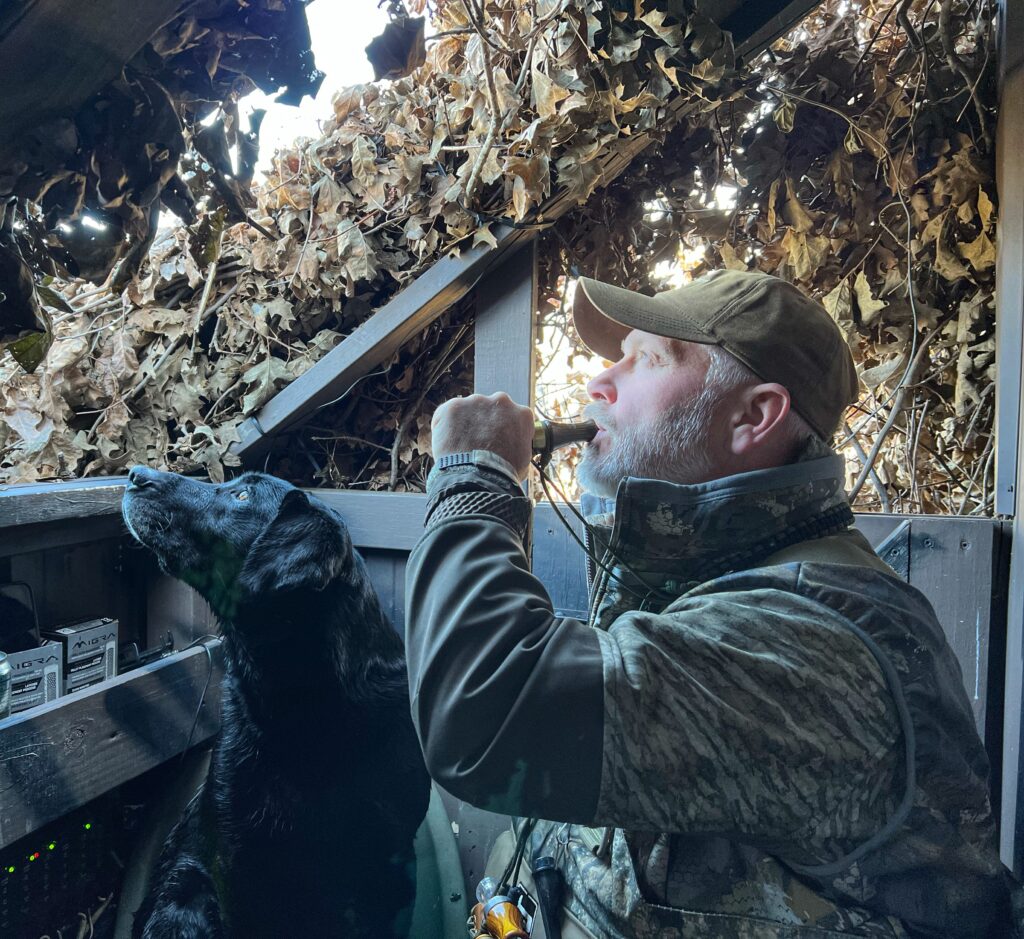
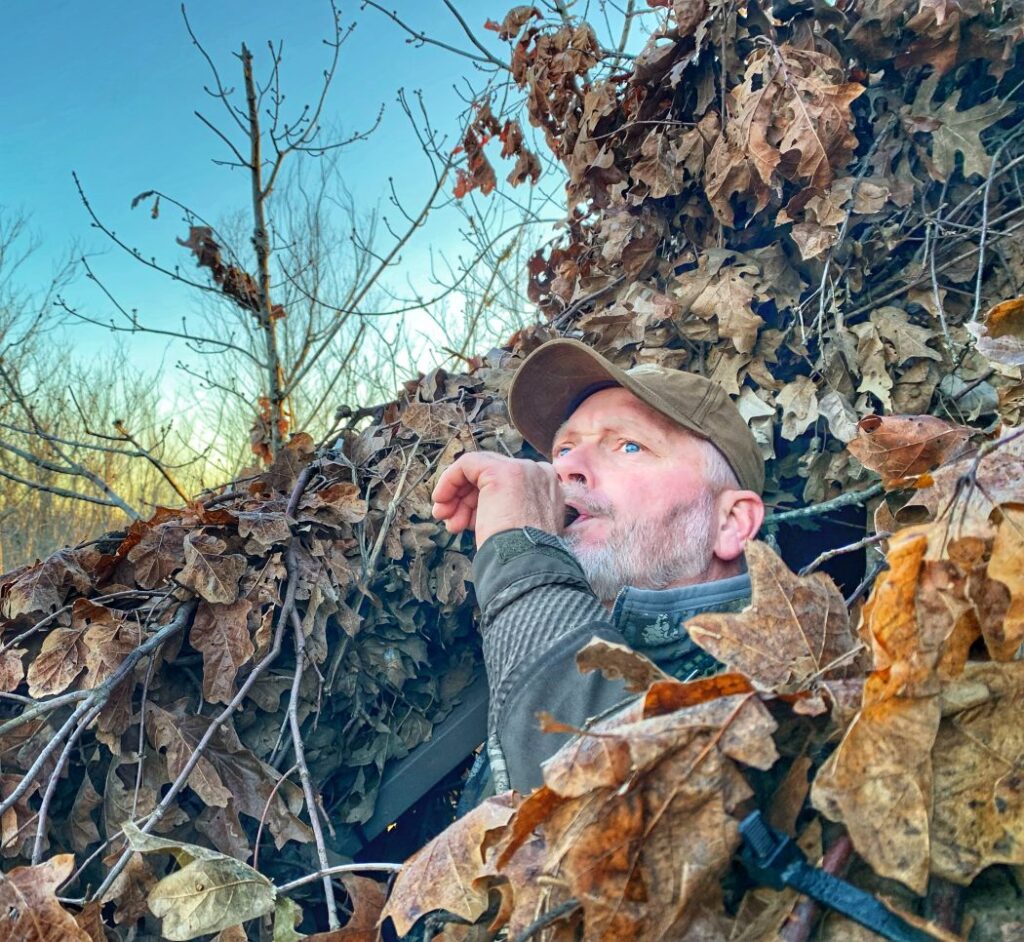
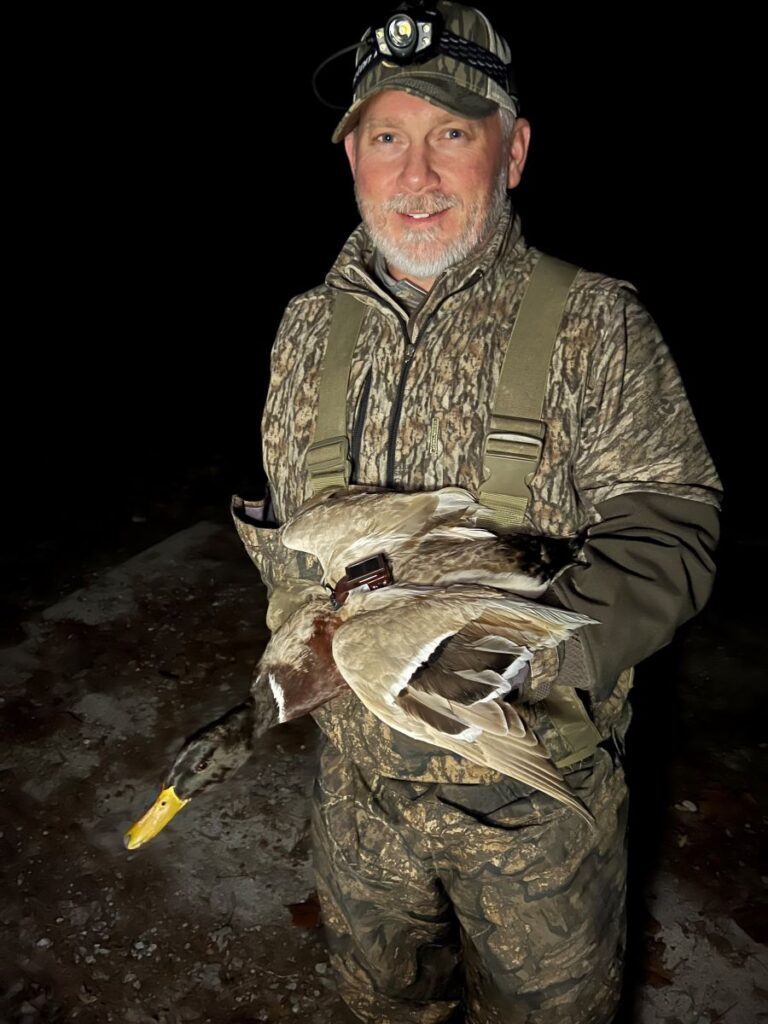
Outside of work, I enjoy spending time with my family and friends in the outdoors — hunting, fishing, hiking, and training Labrador retrievers. Those experiences have always been a source of joy and inspiration for me, and they continue to ground me in why this work is so important. They’re also a reminder that conservation isn’t just a profession — it’s a way of life. Fun fact is that I shoot a compound bow with my teeth. And I do still have all of them at this time.