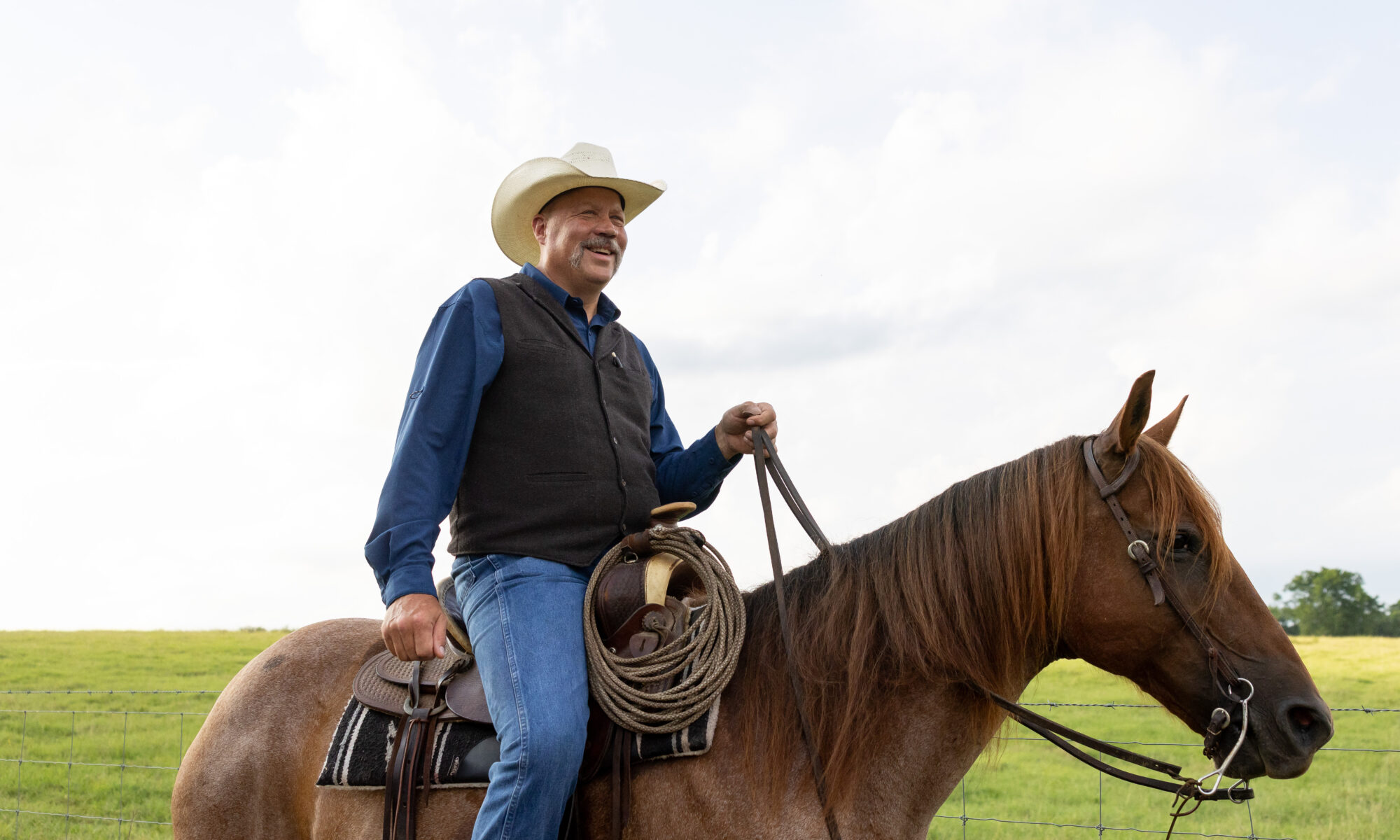
Middle Tennessee AgResearch and Education Centers at Spring Hill and Lewisburg director facilitates impactful precision livestock research and data-driven innovation
Where are you from, and how did your education and career lead you to the Middle Tennessee AgResearch and Education Centers (at Lewisburg and at Spring Hill)?
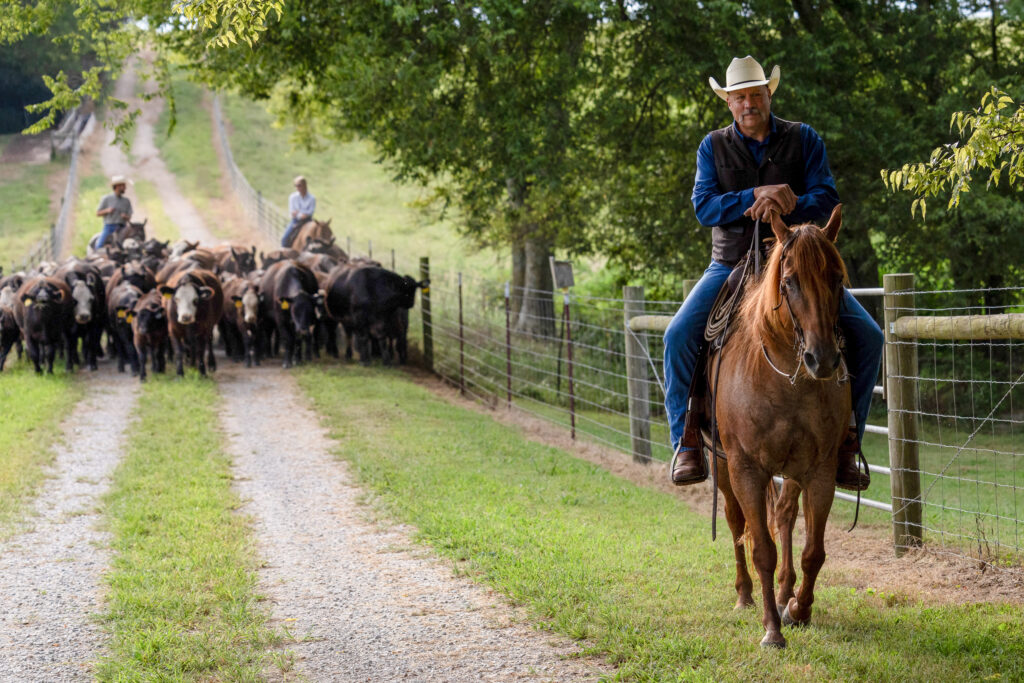
An East Tennessee native, I was born in Hamblen County on the last large feed lot in Tennessee located along the Nolichucky River. I was raised around beef cattle and horses my entire life and grew a passion for both animals, admiring their beneficial use for mankind. I had the opportunity to explore a wide range of perspectives in animal agricultural production, first from my father, then from many great professors while earning both my Bachelor of Science and Master of Science degrees in animal science from the University of Tennessee, Knoxville.
As director of both the Spring Hill and Lewisburg locations, what does a typical day look like for you?
No day is the same as the day before or the day to follow. The greatest joy I have is to be involved in agricultural production, just like our stakeholders, with the addition of imposing research trials upon these activities.
What inspired you to work in the field of agricultural research?
I was raised to attempt to make a positive impact each day and to never be content with just being present. Through UT AgResearch, I am able to do just that. Every day, I have the opportunity to make a difference by supporting our nation’s great agricultural industry. Too often our public takes for granted the plentiful, safe and nutritious food available, but the AgResearch team across the state will always work to advance and improve these critical systems.
Since stepping into this role in 2010, how have you worked to ensure UT AgResearch delivers meaningful outcomes for producers and the public?
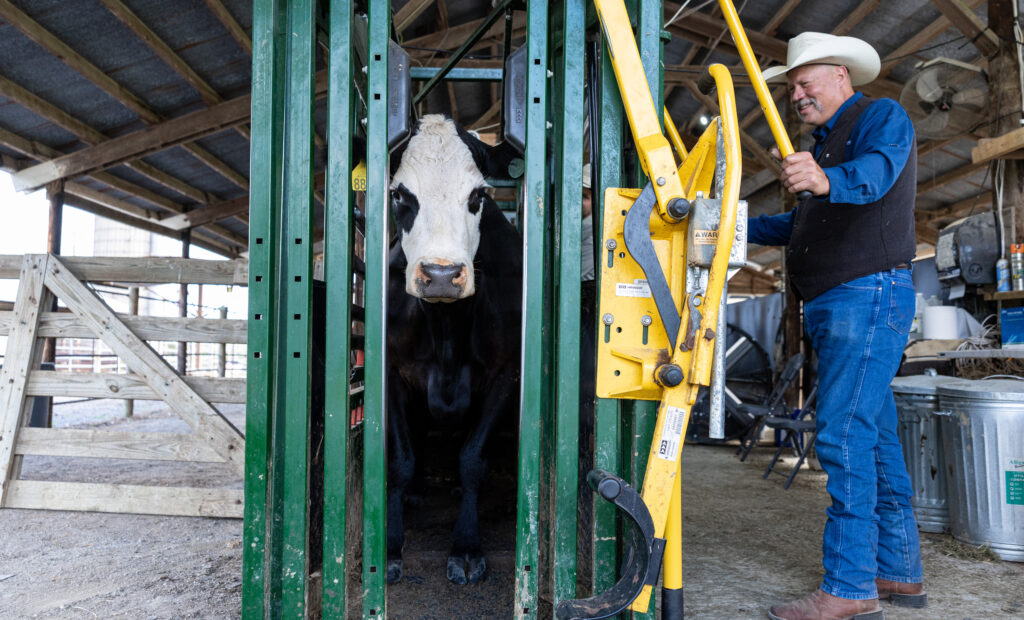
I simply listen to and observe the needs, concerns, and ideas of our producer stakeholders and share this information with the outstanding UTIA faculty and researchers. I then help to facilitate the research programs in the living laboratories of the Middle Tennessee AgResearch and Education Centers at Spring Hill and Lewisburg.
What is the most fulfilling aspect of leading research efforts that directly impact Tennessee’s agricultural industries?
The most fulfilling part of my job is the fact that our daily efforts are focused on improving efficiencies for producers across Tennessee and beyond as they work to maintain the precious land they rely on and the livestock they nurture. If we can help improve the stewardship of water, land, forage, and livestock, then we are making a truly fulfilling impact.
The Middle Tennessee AgResearch and Education at Spring Hill is undergoing a transition with a focus on Precision Livestock Technologies. What can you tell us about this research, and why is it important?
Due to land loss, reduced cattle inventories, and increased input costs, it is imperative that we, as one of Tennessee’s land-grant universities, continue to advance efficiencies of production to offset these resource limitations.
Embracing new technology is the next step toward improving our ability to collect real-time data in a real-world farm or ranch setting, which helps producers better address critical questions and allows our researchers to create pathways for efficiency while maintaining proper stewardship of the animal, crop, and land resources.
How do you support the faculty, staff, and researchers in carrying out their work at the Middle Tennessee AgResearch and Education Centers?
I view myself as simply a manager of resources in support of the outstanding faculty and staff of UTIA – those who depend on the land, forages, livestock, and, most importantly, the people at the Middle Tennessee AgResearch and Education Centers to carry out innovative research in a real-world environment.
How do you see innovations in data collection and technology shaping the future of livestock and forage systems?
This is an exciting time to be involved in agricultural research as we roll out the utilization of these precision technologies. The excitement stems from our ability to collect such a large number of data points – more than we have ever been able to in the past. This real-time data collection better enables our researchers to build models that help improve efficiency and provide solutions to problems that can immediately impact production.
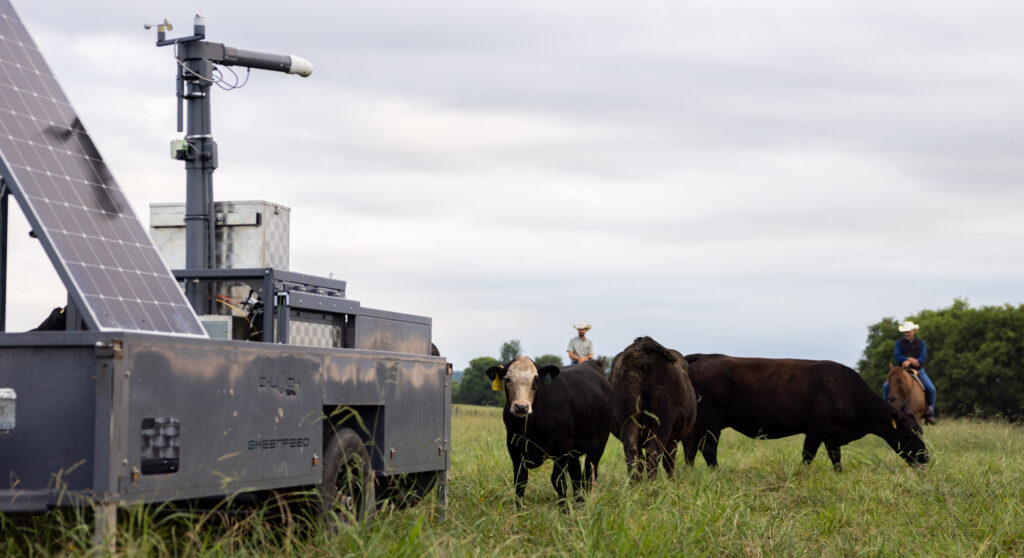
The impact of this technology will not only be beneficial for the economies of our producers but also yield greater stewardship and stockmanship of the land and livestock they care for each day.
What is an accomplishment from your time at UTIA that you are most proud of and why?
I am proud of the opportunity I have to work alongside so many great people who not only share my passion for agriculture but also have the same desire to make a positive impact.
What do you like to do outside of work and/or what is a fun fact about yourself that your colleagues may not know?
I enjoy starting and training Quarter Horses in a cattle handling environment. It is extremely fulfilling to witness the change in a horse’s mind when it is taught and given a job it shares with the rider. I often say I wouldn’t be a cattleman if it wasn’t for the horse and I wouldn’t be a horseman if it wasn’t for the cattle.