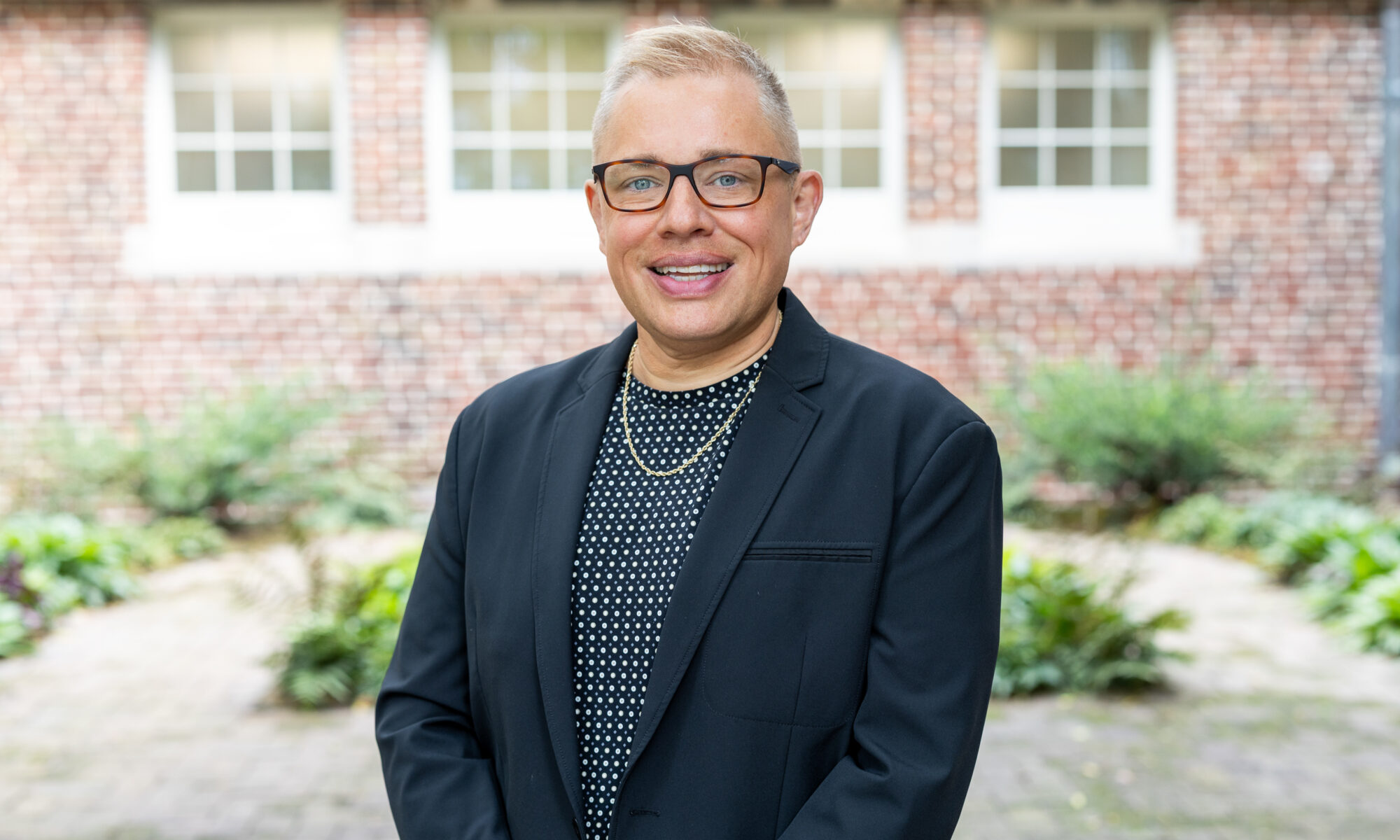
Family and Consumer Sciences associate professor and consumer economics specialist delivers educational programs that help individuals and families build strong financial skills
Where are you from and how did your education and career lead you to the University of Tennessee Extension Family and Consumer Sciences?
I’m from Decatur, Tennessee, and Extension has been part of my story for as long as I can remember. As a first-generation college student, I never imagined that a career as a professor at a research university would one day be possible for me. Growing up, I was active in 4-H public speaking, and my grandmother was involved in her local home demonstration club, so I was exposed early to the idea that education can make a real difference in people’s everyday lives.
I originally went to college planning to become a Family and Consumer Sciences (FCS) classroom teacher, but during my internship I realized that the traditional school setting was not the right fit for me. What I loved most was helping people connect learning to real life, and that led me to Extension. I began my career as an FCS Extension Agent in McMinn County, just next door to where I grew up. Later, I served in Blount County, and eventually moved into state-level specialist and faculty roles. Looking back, I’m grateful for the path that brought me here, and each step has deepened my commitment to Extension’s mission of serving people, families, and communities
What is your role, and can you describe some of your responsibilities?
As an Associate Professor and Consumer Economics Specialist, my role is to develop, implement, and evaluate research-based Extension programs that help individuals and families improve their financial well-being. Much of my work focuses on consumer decision-making, workforce development, and family resource management, particularly for limited-resource audiences. I work closely with county agents, community partners, and interdisciplinary teams to design programs that are practical, relevant, and grounded in research.
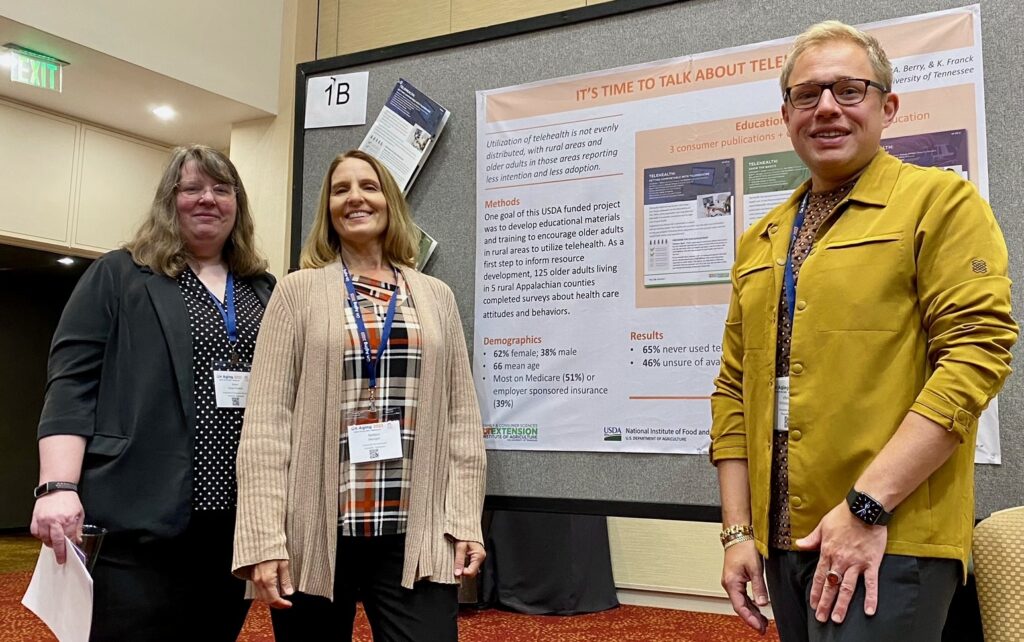
My responsibilities also include securing external funding, supporting program evaluation, developing educational materials, and helping translate scholarship into tools that can be used in communities across Tennessee.
What inspired you to pursue a career focused on consumer economics and family resource management?
I have always been interested in why people make the financial choices they do. Money affects nearly every part of our lives: where we live, what opportunities we have, how much stress we experience, and how secure we feel about the future. Yet, it is still something many people are uncomfortable talking about. Consumer economics and family resource management gave me a way to explore those questions while also helping people build practical skills they can use every day. That combination of human behavior and real-world impact is what continues to keep me interested in this field.
What is the mission of UT Extension Family and Consumer Sciences, and what impacts have you seen FCS programming make across the state during your time at UT?
The mission of UT Extension Family and Consumer Sciences is to improve quality of life for individuals, families, and communities through practical, research-based education. What I have seen over the years is that this work truly meets people where they are. Across Tennessee, our FCS professionals help families stretch food dollars, improve nutrition and health, manage money more effectively, strengthen relationships, and build skills that support them across the life span. The impact may look different from one county to the next, but the result is the same – people gain knowledge, confidence, and tools they can use to make everyday life better.
What do you enjoy most about the work you do?
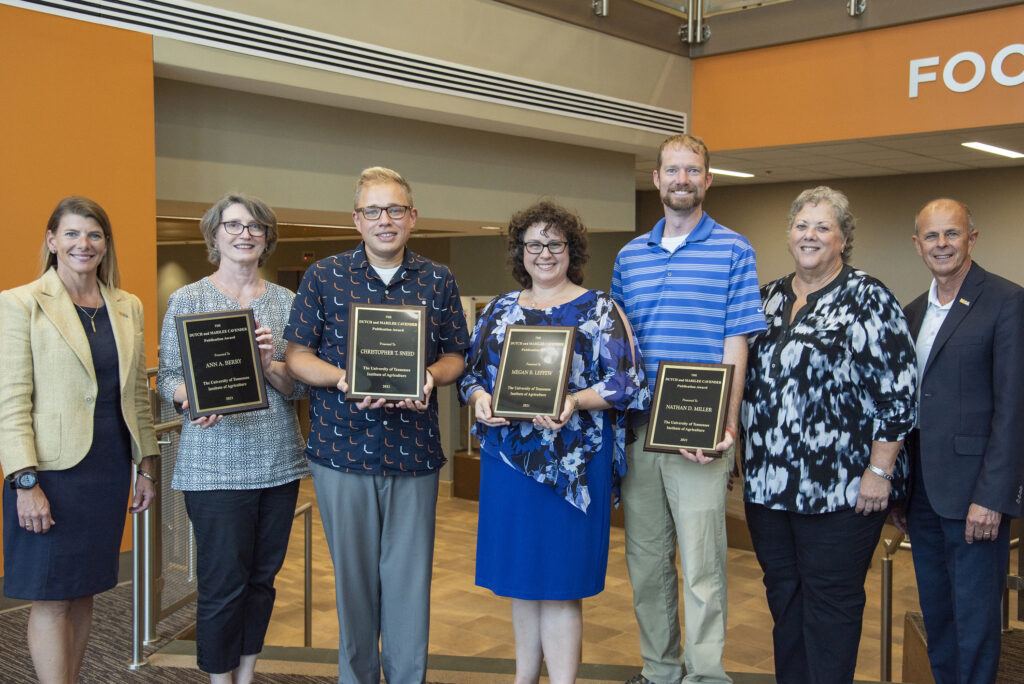
What I enjoy most is the creativity the work requires. Every day brings a new challenge, and many of those challenges are complex enough that there is no one-size-fits-all solution. I enjoy figuring out how to take research, education, and community needs and turn them into something practical and useful. I also genuinely enjoy collaboration. Some of the best work happens when colleagues from different disciplines come together, bring different perspectives to the table, and create something stronger than any one of us could have developed alone.
What are some of the biggest financial or economic challenges facing families today, and how do your programs address them?
Families today are navigating a financial landscape that makes even basic stability harder to achieve. Housing, food, transportation, childcare, and health-related costs have all increased, and for many households, wages simply have not kept pace. That means families are often making difficult decisions just to cover essentials. Our programs are designed to help people take stock of their current situation, identify realistic next steps, and build skills in areas such as budgeting, saving, debt management, resource use, and workforce readiness. The goal is not just to help families get through a difficult moment, but to help them make changes that can improve their long-term financial well-being.
What role does education play in helping individuals and families build long-term financial stability?
Education plays a critical role in long-term financial stability because it expands both knowledge and opportunity. In many cases, higher levels of education are associated with stronger earning potential, but education also helps people make better decisions about work, money, health, and family life. It is important to remember that education does not only mean a traditional four-year degree.
Technical training, certifications, apprenticeships, and other workforce pathways can also lead to strong careers and financial security. What matters most is that people have access to learning opportunities that help them build skills, adapt, and move forward.
What is something about consumer economics that you wish everyone could understand?
I wish everyone understood that good money management is not just for wealthy people. One of the most common things I hear is, “I don’t make enough money to budget,” but budgeting is not about having extra money. It is about having a plan. Everyone, regardless of income, benefits from understanding where their money is going and making intentional choices about it. Solid financial habits do not require wealth; they require awareness, consistency, and a willingness to make informed decisions.
What has been one of your proudest accomplishments during your time with UT Extension Family and Consumer Sciences?
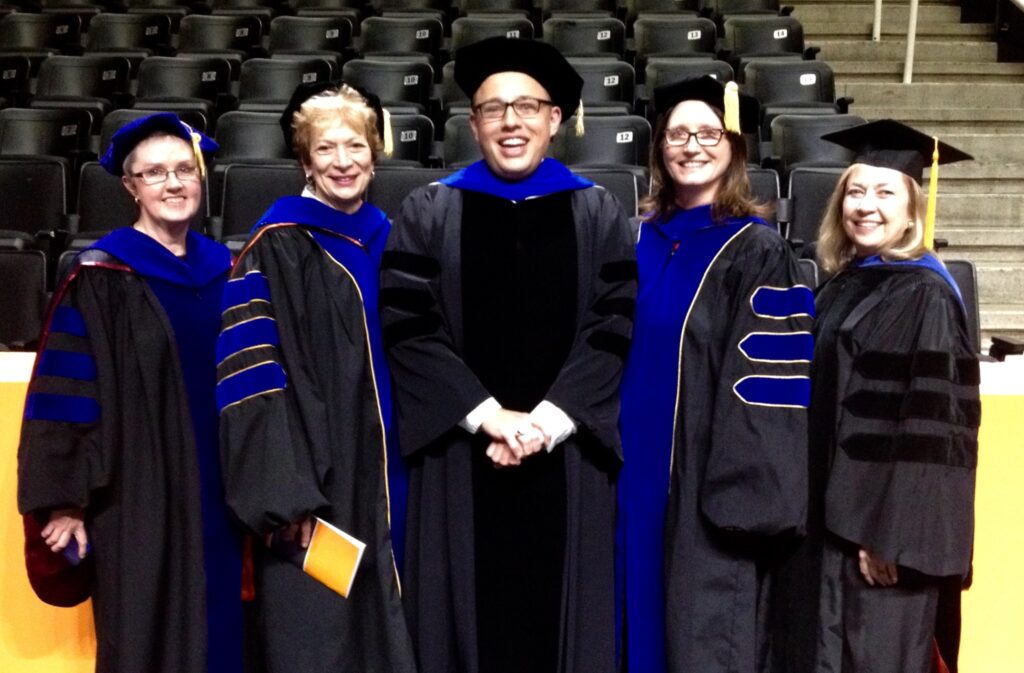
One of my proudest accomplishments has been completing my PhD at the University of Tennessee while working full time as an Extension Agent in Blount County. As a first-generation college student, that milestone meant a great deal to me personally and professionally. It was challenging, and there were definitely moments when it felt overwhelming, but earning that degree opened doors that shaped the next chapter of my career. It gave me opportunities to grow as a scholar, educator, and leader within Extension. I am very proud of that accomplishment, although I will also say once was enough.
What do you like to do outside of work and/or what are some fun facts about yourself that your colleagues and students wouldn’t know?
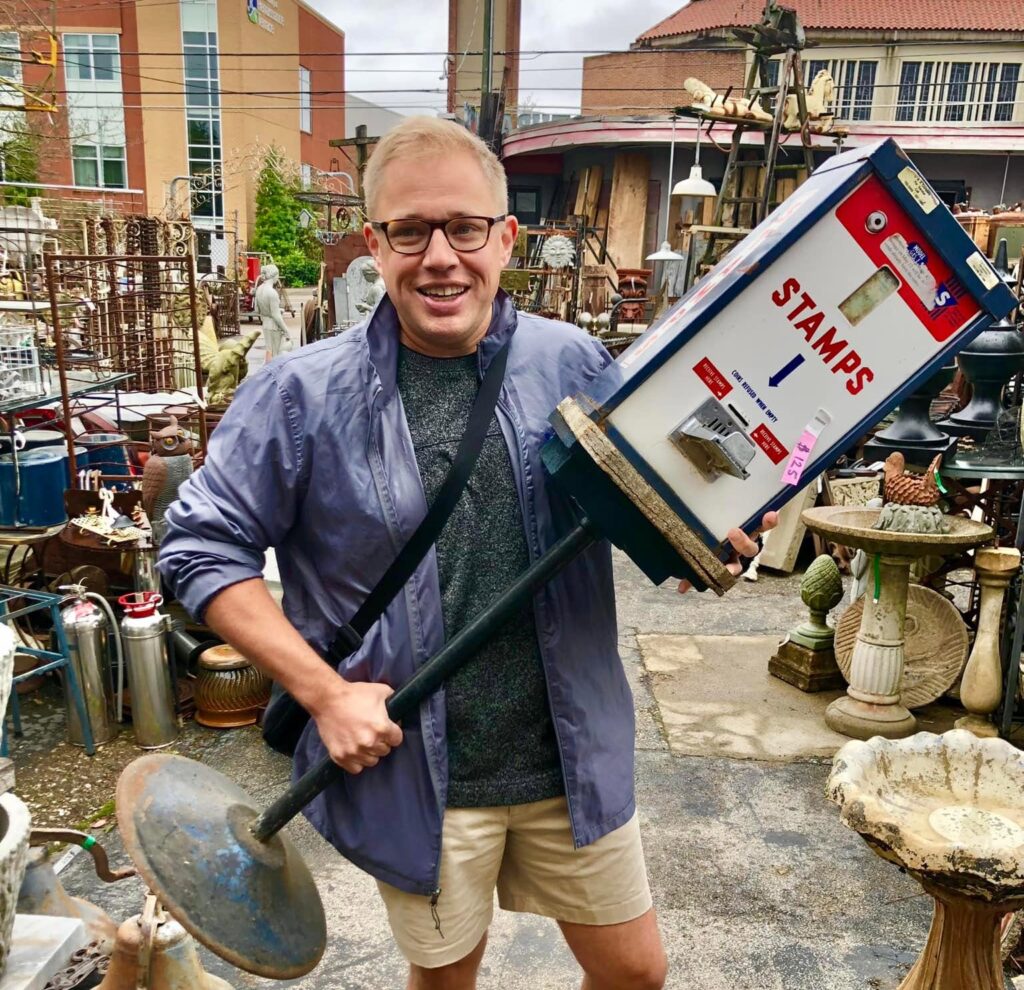
Outside of work, I am an avid antique collector and dealer. Our home has a constantly changing mix of antiques and what some people might generously call “junk.” My family has learned not to get too attached to anything because it may disappear to an auction or estate sale at any moment. (And, it usually does.)
When I am not working, there is a good chance you will find me at a yard sale, flea market, estate sale, or auction looking for the next great find. It is a hobby I enjoy because it combines the thrill of the hunt and most importantly making some money.