UT Extension Farm Management Specialist helps farm families strengthen their financial decision-making and build more resilient operations
Where are you from, and how did your education and career lead you to your current role with UT Extension?
I grew up on a dairy farm in East Tennessee, so agriculture has always been a big part of who I am. While I was studying agricultural economics at the University of Tennessee, my family made the tough decision to sell our dairy herd, which pushed me to continue my education, earn my master’s degree, and ultimately led me to a career as a farm management specialist, where I get to stay connected to the industry and work with farm families every day.
As a Farm Management Specialist with the MANAGE (Measuring, Analyzing, Navigating, and Achieving Goals Effectively) Program, what does a typical day look like for you?
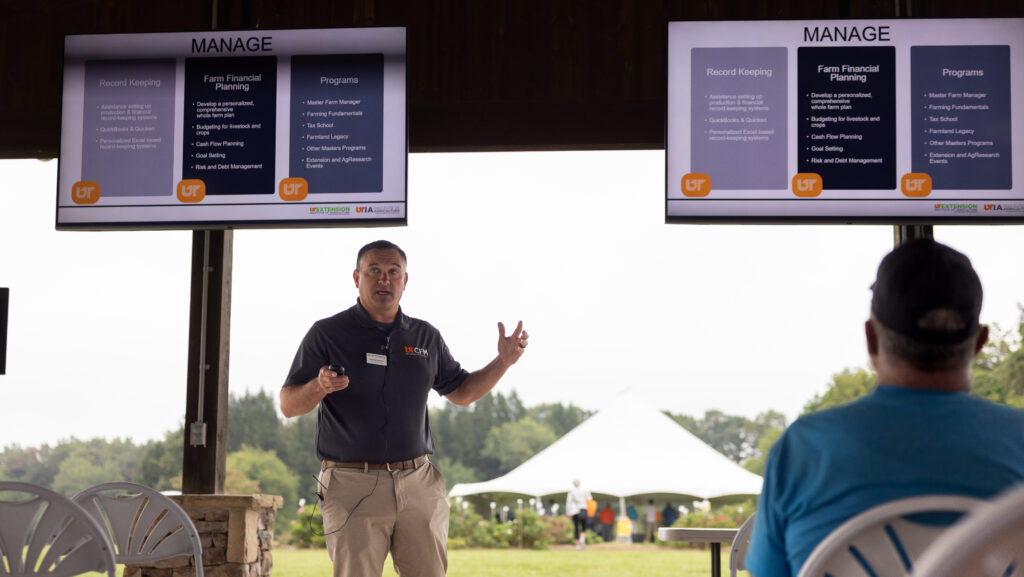
That’s what makes this job so great – there really isn’t a typical day. The work changes constantly, which makes it both challenging and rewarding. Some days I’m out on farms working one-on-one with producers, walking through their operations, looking at records, and helping them think through decisions. Other days I’m traveling to county meetings, workshops, or field days, sharing information and learning just as much from the farmers as I’m giving back.
But the days I value most are the ones spent sitting down directly with farm families. There’s something special about pulling up to the kitchen table, spreading out the numbers, and working through everything together in a practical, honest way. Those conversations are where real decisions get made and where you can see the impact of farm management work firsthand.
Why did you choose to pursue a career in agricultural economics and farm management?
Growing up on a dairy farm and working from a young age gave me a strong foundation in production agriculture. I was comfortable with the day-to-day work and understood how to take care of the cows and keep things running. At the same time, I didn’t fully understand the business side of the operation.
As I got older, I realized I really wanted to learn how farms work financially, how decisions impact the bottom line, and what it takes to run a truly efficient, sustainable business. That curiosity is what pushed me to dig deeper into farm management and eventually build a career focused on helping other producers better understand and strengthen the financial side of their operations.
Can you describe the MANAGE Program and how it helps farm families across Tennessee?
The MANAGE Program is a farm management education and outreach program designed to help farm families across Tennessee better understand and improve the financial side of their operations. It focuses on practical, real-world decision making, things like cost of production, enterprise analysis, budgeting, and long-term financial planning.
What makes the program unique is that it is built around working directly with producers. Instead of just classroom-style teaching, we sit down with farmers, go through their numbers, and help them see where their operation is strong and where there may be opportunities for improvement. It is very hands on and tailored to each farm.
At the end of the day, the goal is to give farm families clearer information so they can make more confident, informed decisions. Whether it is improving efficiency, planning for expansion, or just getting a better handle on costs, the MANAGE Program helps producers put the financial pieces together in a way that supports long-term success. We have a great team that is here to help.
What is the most fulfilling aspect of working directly with farm families across East Tennessee?
Earning the respect of the farmers I work with is something I take seriously. When I am working with any producer, my goal is to be a trusted resource they can rely on. I want them to know I am there to listen, understand their operation, and help them think through decisions in a practical way.
At the end of the day, I want to help each farm become stronger and more financially resilient so it can be successful not just today, but for many years into the future.
You’ve been with UT Extension for 18 years – what has been one of your proudest accomplishments during that time?
What I enjoy most is working directly with farm families and helping them navigate difficult financial situations. Being able to sit down, work through the numbers, and help producers find a clearer path forward is very meaningful to me.
From a program standpoint, one of the most rewarding accomplishments has been helping develop the Dairy Gauge Program. Dairy Gauge is a financial benchmarking tool, and today it represents about 60 percent of the milk produced in Tennessee. It has become a valuable resource for producers to better understand where they stand financially compared to others in the industry. Another highlight has been working with the MANAGE Program. It has been a privilege to be part of such a strong team of Farm Management Specialists across the state. The people I work with have played a major role in helping shape who I am as a specialist today. I have learned a great deal from them, and it has been rewarding to grow alongside a group that is all focused on the same goal, helping Tennessee farmers find answers to their financial questions and make better business decisions.
What are some of the biggest challenges farm families are facing today, and how do you help them navigate those issues?
Some of the biggest challenges farm families are facing today are tight margins, rising input costs, and price volatility across most commodities. In many cases, farms are dealing with higher feed, fuel, labor, and equipment costs while not always seeing the same level of increase in market prices. That squeeze makes it harder to maintain profitability and plan ahead with confidence.
Another major challenge is uncertainty. Weather and markets can shift quickly, and that makes long-term planning difficult. Many producers are also trying to manage debt levels that increased during periods of expansion or higher costs.
My role is to help farmers bring clarity to those situations. We do that by working through their numbers in a structured way, looking at enterprise performance, cost of production, and overall financial position. The goal is not just to identify problems, but to help them understand where adjustments can be made and what options exist moving forward. Sometimes that means improving efficiency or reallocating resources within the operation. Other times it is about short-term cash flow planning or helping them think through longer term strategic decisions. At the core, it is about giving producers better information so they can make decisions with more confidence, even in a challenging environment.
Can you share an example of how your work has made a meaningful difference for a farmer or rural business owner?
A few years ago, a lender contacted me about a farm that was in a very difficult financial situation and was close to being moved into the special loans department. He asked if I would be willing to help, and that conversation led to the creation of a farm financial advisory team.
That team included the lender, tax and business analysts, and myself as the farm management specialist. We met with the family multiple times a year, working through different financial and production analyses and providing ongoing guidance as they made decisions.
Over the course of about four years, that farm went from a very weak financial position to a strong, stable operation. The most rewarding part of the process was seeing the change in how they approached decision making. Instead of reacting to problems as they came up, they became proactive in planning and management.
In reality, all we did was help provide the tools, information, and structure to support better decisions. The producers did the hard work of making changes and sticking with them, and that is what ultimately turned the operation around. They also fed us very well at all the meetings.
How has farm management and financial analysis evolved over the course of your career, especially with changes in technology and agriculture?
Farm management and financial analysis have changed quite a bit since I started in 2007. At that time, most records were already digital, but the systems were more limited and the computers we used were larger, slower, and not nearly as portable or powerful as what we have today.
Since then, technology has advanced quickly. Computers have become much smaller, faster, and more capable, and that has made it easier to collect, process, and analyze farm data. Producers can now access information more quickly and make decisions with a much clearer and more current financial picture.
Even with all of those changes, the core of farm management has stayed the same. It is still about helping farmers take the information they have and turn it into better, more informed decisions for their operation.
What do you like to do outside of work and/or what is a fun fact about yourself that your colleagues may not know?
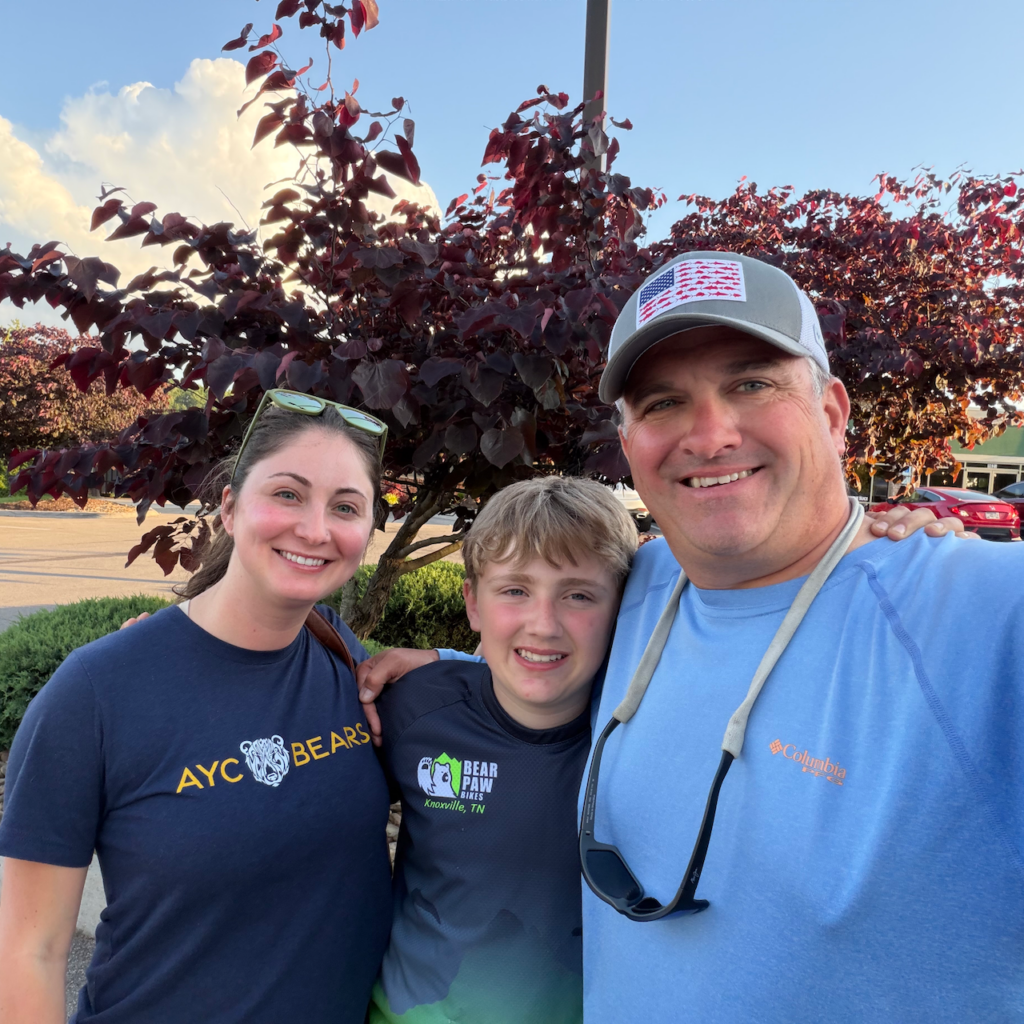
I have the best family anyone could ask for, a loving wife, Amber, and a great son, Luke. Luke keeps us busy with band and saxophone lessons, along with mountain bike races, so there is always something going on.
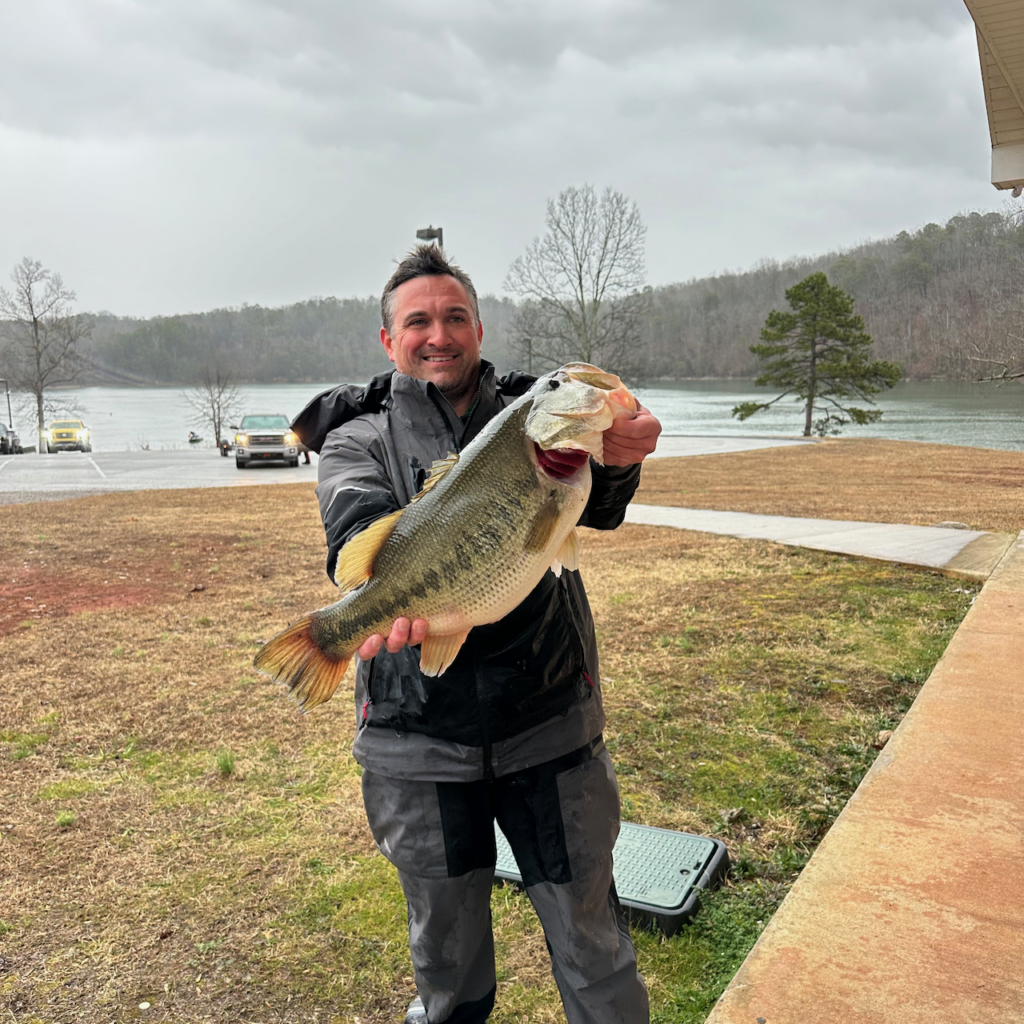
Amber and I both enjoy cooking, and we are always trying new recipes and experimenting with different dishes together. When I am not working or on the go with Luke, you will usually find me at the lake trying to find the next bass to catch. Tight lines!